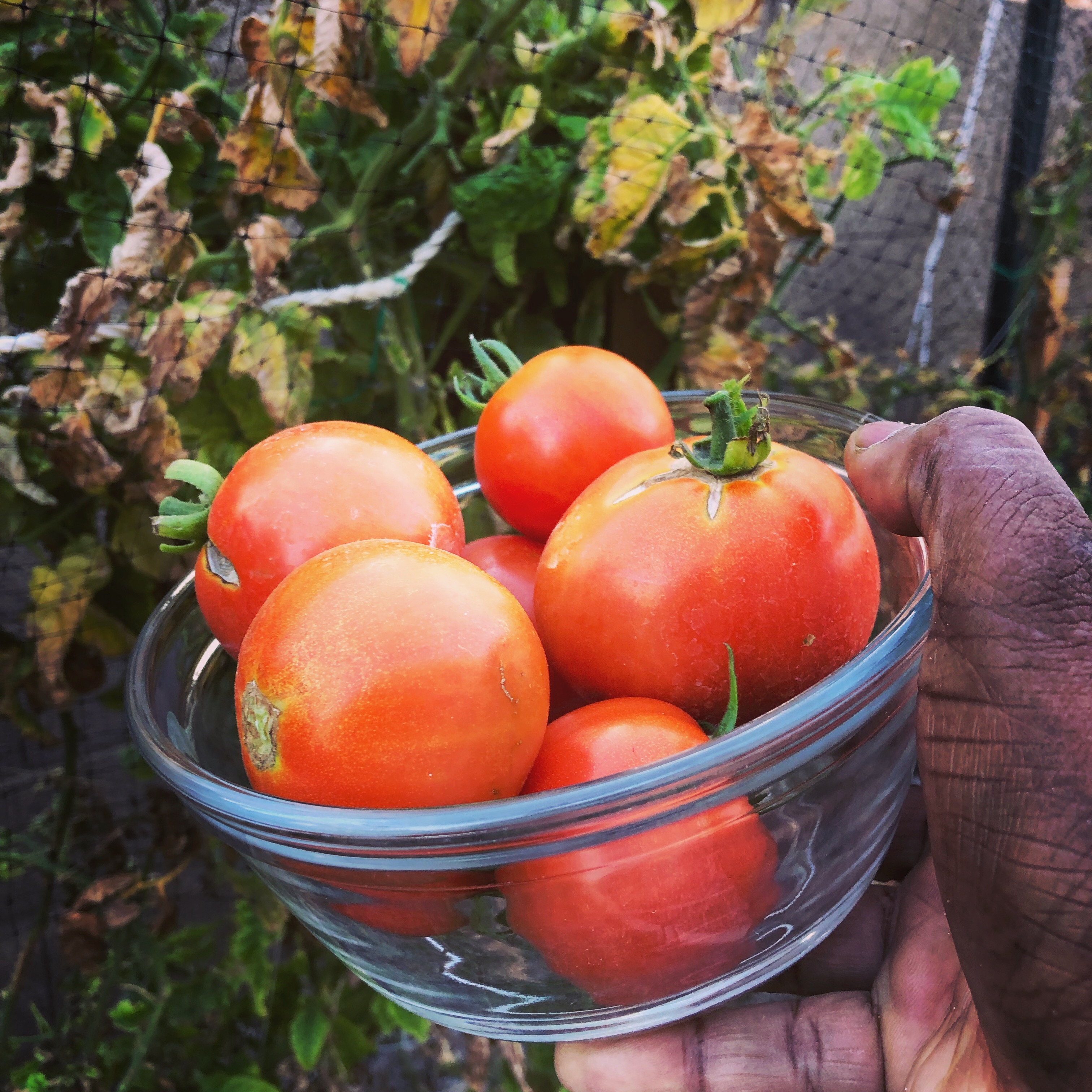
I've been growing tomatoes in Phoenix for years, and I've had more bad seasons than I'd like to admit. Some years I planted too late and got flowers but no fruit before the June heat arrived. Some years I grew the wrong varieties and watched them stall out in the April warmth. One year I had perfect timing and perfect varieties and lost half the crop to a late-season aphid explosion.
But this past spring, everything came together. I harvested more tomatoes than I could eat, give away, or can. And unlike some lucky seasons where I wasn't sure what I did right, this time I know exactly what changed.
I Planted Earlier Than Ever Before
I've always known that January is the target for Phoenix tomato planting. But "knowing" and "doing" are different things. In past years I'd wait until the nurseries had the best selection — usually late January or early February — and then tell myself the delay didn't matter much.
This year I planted on January 14th. Two weeks earlier than my typical "early" planting. And the difference showed up clearly at harvest time. My plants had an extra two weeks of productive cool-season days before the heat arrived. That translated to a noticeably larger harvest window — I was still picking good tomatoes in the second week of May while neighbors who planted in February were watching their plants give up.
The lesson I've fully internalized now: in Phoenix, plant tomatoes as close to January 15 as possible. The nurseries may not have the best selection yet. Order seeds and start them indoors in November if you have to. The calendar doesn't wait for good nursery stock.
I Finally Committed to Early Girl as My Primary Variety
I've grown a lot of tomato varieties in Phoenix over the years. Beefsteaks, heirlooms, cherries, paste tomatoes. Most are fine. Some are great. But this year I dedicated most of my bed space to Early Girl, and the results were a level above everything else I've tried.
Early Girl's days-to-maturity is 52–55 days from transplant. For Phoenix that's crucial — planted January 14th, my first ripe tomatoes arrived in mid-March. That's peak cool-weather gardening season. I was harvesting excellent full-size tomatoes for nearly two months before heat stress arrived.
The variety also handles our transition weather well — the warm days and still-cool nights of April don't seem to bother it the way they affect larger heirloom varieties that want slower, more stable ripening conditions.
14-Variety Heirloom Tomato Seed Pack
Great way to trial multiple varieties your first season and find your Phoenix favorites. Includes both quick-maturing and specialty varieties.
View on Amazon → Affiliate link — small commission at no extra cost to you.I Set Up Drip Irrigation Before Planting
In previous years, I hand-watered tomatoes. It worked, mostly, but I was inconsistent — some days I'd water in the morning, some days not until the afternoon, some days I'd be out of town and a neighbor would water late or not at all. Tomatoes hate inconsistency. Blossom end rot, cracking, dropped flowers — almost all of it traces back to irregular moisture.
This year I installed a basic drip system on a timer before I put a single plant in the ground. Timer set to run every morning at 6 AM, 20 minutes every other day in January-February, every day starting in April. The plants got consistent moisture regardless of my schedule.
The result: not a single case of blossom end rot all season. Zero. In every previous year I'd had at least a few. Drip irrigation on a timer was the single biggest practical change I made, and I'll never go back to hand-watering tomatoes.
Rain Bird Drip Irrigation Raised Bed Kit
The system I use. Easy to set up, reliable, and compatible with a basic hose timer. Transformed my tomato season completely.
View on Amazon → Affiliate link — small commission at no extra cost to you.I Stayed Ahead of Spider Mites
Spider mites have wrecked my tomato plants in April before. The combination of hot, dry weather and the transition from cool to warm creates perfect conditions for them to explode in population. By the time you notice serious damage, you're fighting a losing battle.
This year I started doing mite checks weekly from early March — turning leaves over and looking for the tiny dots and fine webbing that signal early infestation. The first time I found them (mid-March), I knocked the undersides of every leaf with a strong blast from the hose. Repeated every 3 days for two weeks. That early intervention kept the population from ever establishing at damaging levels.
Prevention and early response are everything with spider mites. By the time you see visible stippling and webbing everywhere, you've already lost significant plant health.
What I'll Do the Same Next Year
Plant by January 14th or earlier. Plant 70% Early Girl and maybe one experimental variety per bed. Set up drip on a timer before planting. Start mite checks in early March. These four things are the entire formula. Everything else — soil prep, fertilizing, caging — is standard and I've had that dialed in for years. It was the timing, the variety commitment, and the irrigation consistency that elevated this season above all the others.
8 tested tomato varieties — with honest Phoenix notes on each
The Best Tomato Varieties for Arizona guide has full profiles on the varieties that actually perform in our heat, with timing tables, growing tips, and where to source seeds locally and online.
Get the Tomato Guide — $5