Quick Facts
Yes, you can grow potatoes in Phoenix, and fresh-dug potatoes taste nothing like store-bought. The catch is timing. Potatoes like cool weather, so they grow through our winter and get dug in spring, before the heat. Miss that window and the plants run out of cool days before the tubers size up.
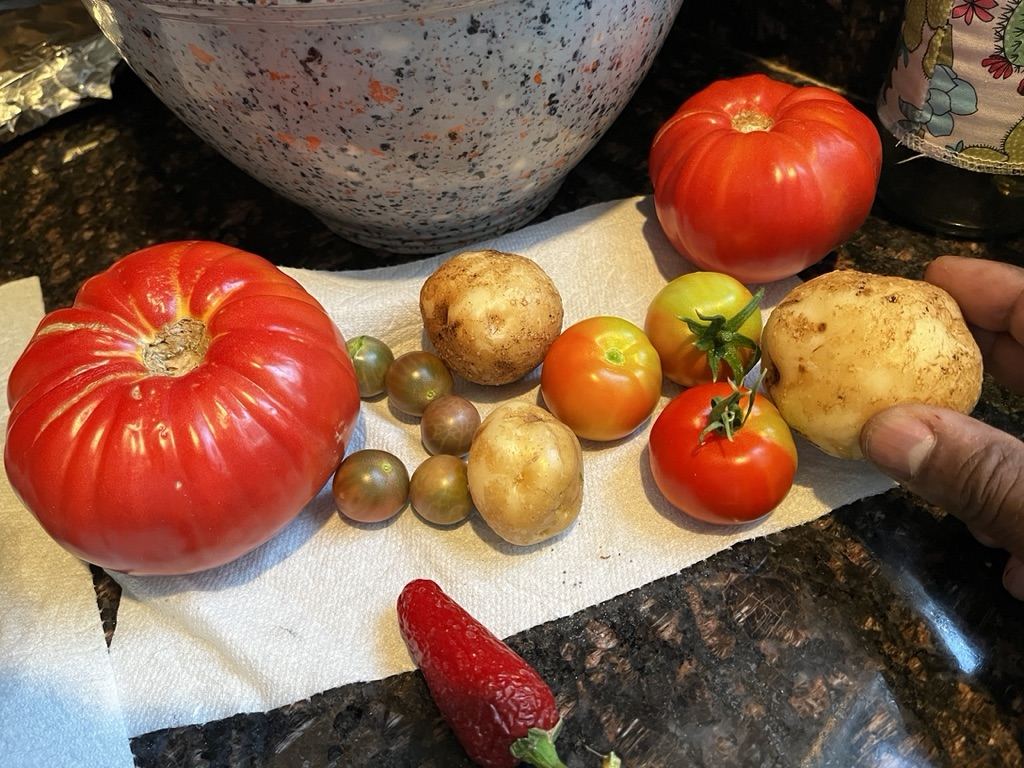
I've had great success with potatoes in my own Phoenix backyard. My best crop, the one in the photos on this page, went in the ground in October and came out in May. That's not the window the Extension calendars list, so below I cover both: the official January–March window and the October-to-May route that has worked for me.
When to Plant Potatoes in Phoenix
The University of Arizona Cooperative Extension planting calendar for Maricopa County lists potatoes (planted from seed pieces) from January 1 through March 1, with 90 to 120 days to harvest (UA publication AZ1005). Pima County's Extension guide gives a similar window, January into mid-February.
My advice is to plant early in that window. Mid-January to mid-February is the sweet spot for most Valley gardens. Here's why: according to the National Weather Service, Phoenix hits its first 90°F day around March 30 on average and its first 100°F day around May 2. A potato planted January 15 is ready somewhere between mid-April and mid-May. One planted March 1 is still growing when the 100s arrive.
Late December? The Riverside County (California) Master Gardeners list December–February for their low desert, but the Arizona calendar starts January 1. Early shoots are frost-tender, so keep frost cloth handy (see Phoenix frost dates).
The longer-season option: plant in October, dig in May
To be clear: the Extension calendars don't list this. Neither the Maricopa nor the Pima County calendar has a fall potato window. But my most successful crop was planted in October and harvested in May, so I know it can work in a Valley backyard.
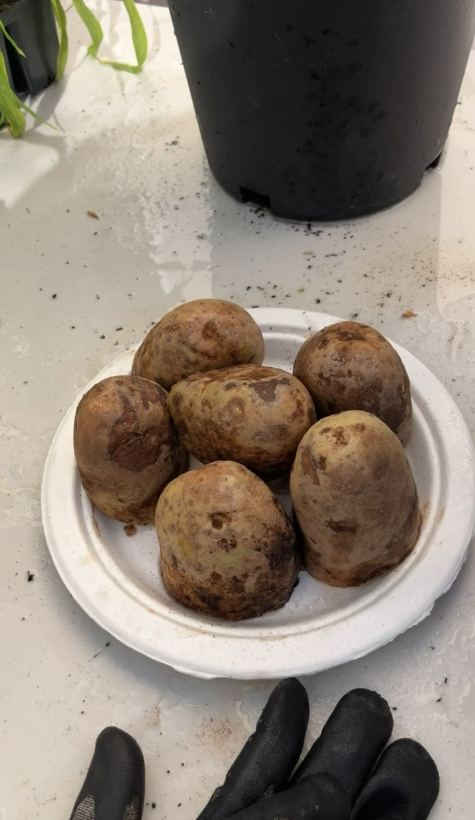
The catch with an October start is that the plants are up and growing through our freeze season. Potato foliage is frost-tender. Iowa State Extension notes that freezes can blacken leaf edges or kill all the top growth, though badly damaged plants usually regrow in 10 to 14 days. If you plant in October, watch the forecast from late November through February and cover the plants on freeze nights. My Phoenix frost dates and frost protection guide covers when that's likely in your part of the Valley and how to cover them.
Either way, plan to dig by May, before the real heat.
Best Potato Varieties for the Low Desert
Pick potatoes by how fast they mature. UA Extension Master Gardener material calls early-season varieties (roughly 60–100 days) the best choice for southern climates. Mid-season types (about 100–135 days) are a stretch here, and late-season types are for cooler places. Varieties that turn up in Extension and Master Gardener lists, including a California low-desert list, include:
- Red: Red Pontiac, Red LaSoda, Norland
- Yellow: Yukon Gold
- White and russet: Kennebec, White Rose, Norgold Russet
Check days to maturity and pick the faster variety.
Seed Potatoes: Buy Certified
Grow from certified seed potatoes. UA Extension recommends them to avoid disease problems, and store potatoes are often treated to keep them from sprouting. Nurseries and feed stores carry them in winter.
Cut bigger seed potatoes into pieces so each one has at least one eye (bud). Then let the cut pieces sit out for about a day so the cut side calluses over, which helps prevent rot. Small seed potatoes can go in whole. For a sense of scale, UA Extension says 5 pounds of seed potatoes can yield 45–70 pounds of potatoes and needs about a 10 × 12 foot area.
Soil Prep
Potatoes want loose, well-drained soil, which is the opposite of hard Phoenix caliche. Work 2–4 inches of compost into the bed to a depth of 10–12 inches (UA Extension's recommendation). A raised bed makes this a lot easier. See amending desert soil for the basics.
One rotation rule: don't plant potatoes where tomatoes, peppers or eggplant grew recently. They're all in the nightshade family and share diseases. The rule works the other way too. Keep strawberries out of old potato beds.
Growing Potatoes in Containers and Grow Bags
If your ground is solid caliche, grow bags are the easy way in. Fill the bottom of the bag with several inches of good potting mix, set in a few seed pieces, and cover them. As the plants grow, keep adding mix around the stems. That's hilling, done in a bag. At harvest, dump the bag out on a tarp. You don't have to dig.
Containers dry out faster than beds, especially once spring warms up, so check them often. More tips are in my container gardening guide.
🪴 15-Gallon Fabric Grow Bags
The same tan fabric bags I list on my gear page. They're a good size for potatoes, breathe well, and you can empty them at harvest instead of digging.
View on Amazon →Affiliate link. I earn a small commission at no extra cost to you.
Planting and Hilling
Plant the seed pieces cut side down (eyes up) about 4 inches deep and 10–12 inches apart. When plants reach 6–8 inches tall, pull soil (or compost or straw) up around the stems, leaving the top leaves showing. Do it again a few weeks later.
Hilling keeps the forming potatoes out of the sun. Exposed potatoes turn green and bitter, and the green comes with solanine, so cut away green parts or skip those potatoes.
Watering
Keep moisture steady. UA Extension notes that erratic watering stresses the plants and can cause hollow heart, a hollow spot in the middle of the tuber. Drip lines under a layer of straw mulch work well. In January the bed may only need water every several days. By April it'll need much more. Check the soil a few inches down before you water (see how to water a Phoenix vegetable garden).
Harvesting Before the Heat
You can sneak a few "new" potatoes early. For the main harvest, wait until the tops start yellowing and dying back, then dig carefully with a fork, starting well away from the plant so you don't spear the tubers.
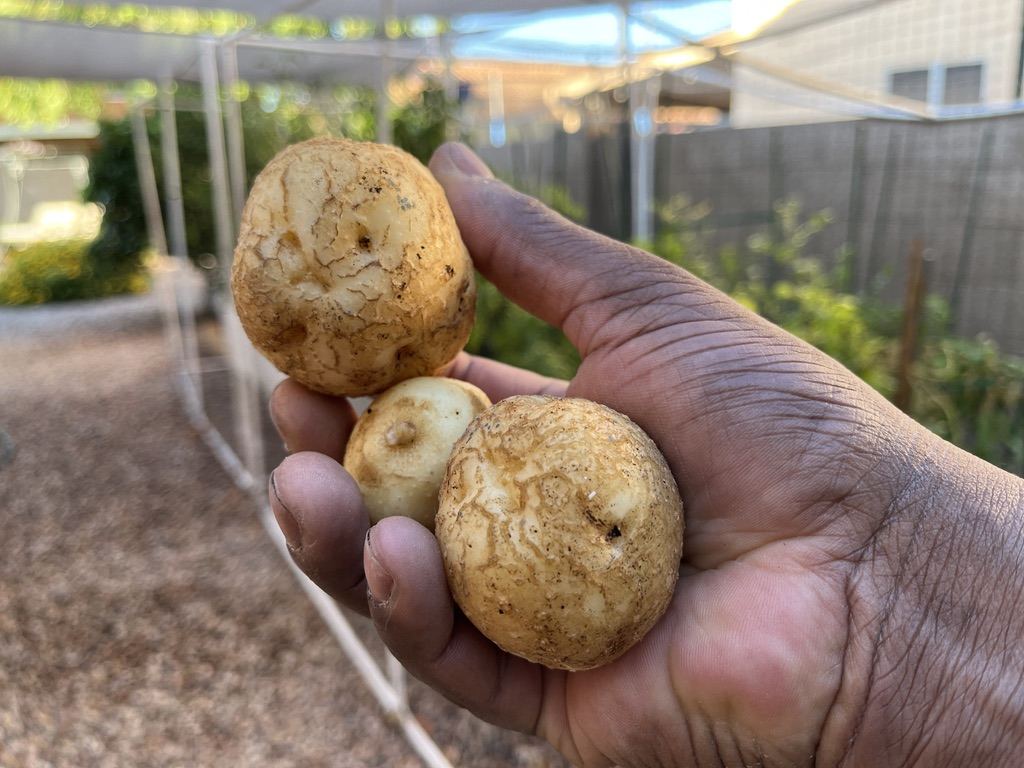
In Phoenix, the calendar matters more than the foliage. Once days run into the high 90s and 100s, the plants decline fast, so plan to dig by early to mid-May at the latest. Let the potatoes dry in the shade, brush off the soil (don't wash them), and store them somewhere dark and as cool as you can manage. A Phoenix garage in May is too warm, so plan to eat these sooner than store-bought.
Common Problems
- Small harvest: usually planted too late or used a slow variety. Go earlier and faster next year.
- Green potatoes: not enough hilling. Keep the tubers covered.
- Hollow heart or cracked tubers: uneven watering.
- Seed pieces rotting: soggy soil, or cut pieces planted before they callused.
- Frost-burned leaves: cover on freeze nights. Plants often regrow from below the soil.
- Pests: aphids, flea beetles and leafhoppers show up, and potato tuber moth is a problem in desert areas. Keeping tubers well buried helps. See Phoenix garden pests.
Related Phoenix Guides
- What to plant in Phoenix in December
- What to plant in Phoenix in January
- What to plant in Phoenix in February
- Phoenix vegetable planting calendar
- Phoenix frost dates and frost protection
- Root vegetables in Phoenix
Ready to go deeper?
Want every planting date in one place? My Phoenix Planting Calendar lays out what to plant every month for Phoenix and the East Valley. It's $7, instant PDF download. New to desert soil? The Phoenix Beginner's Garden Kit ($9) covers bed setup and the mistakes I wish I'd skipped.
Sources
- Planting window (January 1 – March 1) and 90–120 days to harvest: University of Arizona Cooperative Extension, Vegetable Planting Calendar for Maricopa County (AZ1005, 2018).
- Pima County potato window (January – mid-February); neither the Pima nor the Maricopa County calendar lists a fall potato window: UA Cooperative Extension, Pima County Vegetable Planting and Harvesting Guide.
- Average first 90°F day (March 30) and first 100°F day (May 2) in Phoenix, 1991–2020: National Weather Service Phoenix, First and Last Dates for Selected Temperature Thresholds.
- East Valley median last freeze (~February 1): NOAA 1991–2020 U.S. Climate Normals, East Mesa and Chandler Heights stations (NCEI).
- Certified seed, cutting and curing seed pieces, compost 2–4 in. to 10–12 in., spacing 10–12 in., hill at 6–8 in., 5 lb seed ≈ 45–70 lb yield, avoid nightshade beds, steady water and hollow heart, greening and solanine, pests: UA Cooperative Extension, Yavapai County, Irish Potatoes (Backyard Gardener #158).
- Early-season varieties (60–100 days) best for southern climates; planting depth about 4 in.: UA Yavapai County Master Gardeners, Growing Roots, Tubers & Bulbs. Yukon Gold and Red Pontiac: UA 2024 Master Gardener Training, Vegetable Gardening.
- Desert planting window December – February; White Rose, Kennebec, Norgold Russet, Red LaSoda, Yukon Gold; potato tuber moth: UC Riverside County Master Gardeners, Potato fact sheet.
- Potato shoots are sensitive to freezing and usually regrow in 10–14 days after severe damage: Iowa State University Extension, Freezing temps damaged my potato plants. Should I replant?